Stop Big Spending - Support for the Spending Sprees

The Site That Offers Hope


Home

About Us

Contact Us

Ask Yourself

Financial Aid

Get out of Debt

Microsoft Tips on Money

Referrals

The Overspending Epidemic

Financial Mentor

Spent

Letters

Pay it Forward

Books

Addiction Stories

Debt-Causing Addiction

The Unexpected

The Seven Day Mental Diet

Serenity Prayer

Over-Spending a Bad Habit

Student Debt Struggles

Your Options

Credit Card Advice

Your 2008 Goals

Money Education

Our Solutions

Control of Your Finances

Time Debt

How To Stop Foreclosure

Bankruptcy

Plan For Retirement

Learning Self-Control

Managing Your Spending

Helpful Links

Overwhelmed

Fear

Bipolar Spending Sprees

Debt-Related Depression

Coping Skills

Codependency

Reasons For Overspending

Affecting our Self-Esteem

Lessons in our Attitude

Loving Yourself

Support Group

Public Opinion


Home
 

Welcome To

 Stop Big Spending!

I'm here to tell you

 there's Hope

You can be Debt Free!


You can Get out of Debt
Hi my name is Susan Young
 

What is Hope?

Hope is an emotional belief in a positive outcome (believing you can be out of debt) within your personal life. 

Hope implies a certain amount of perseverance (which is persistent determination to adhere to a course of action) in which one is believing that a positive outcome is possible even when there is much evidence to the contrary.


Got the Spending Sprees?

Welcome To

 Stop Big Spending!


Are you dealing with a shopping addiction, you will find the support here. Feel free to browse the site and if you have, any questions or concerns Contact Us.


Got The Spending Sprees?

I froze my Credit Cards to get out of debt!


  It was the best decision I made in my life.
I am feeling the freedom and I must say it feels good.


How to restore your credit rating :

Tens of thousands of Americans have damaged their credit ratings. They've misused or abused their credit cards. They've been thrown into financial distress by long periods of illness or unemployment. Whatever the reason, they suffer from bad credit, and must find a way to repair it to return to a normal life.

If you're among this group, don't despair. It's hard work to rebuild your credit rating, but it can be done.

"First you need to understand how credit works and then you need a plan," says Gerri Detweiler, a credit expert and author of "The Ultimate Credit Handbook."

What do the credit agencies say?
You also need to know what the credit reporting agencies are saying about you. There are three principal credit-reporting agencies: Experian (formerly TRW), TransUnion and Equifax. For a fee, typically about $8 to $10, they'll send you a report of your credit history, as their records show it. You should review each of the three once a year to look for errors and to find out what creditors are saying about you.

Stay away from 'repair' clinics
What you don't need is a credit repair clinic. These so-called clinics offer to help you clean up your credit by using loopholes in the law that only they know about. They may also promise to remove negative information from your file or to get you a major credit card. These are false promises, according to attorney John Ventura, author of "The Credit Repair Kit."

Some repair clinics may even get you into legal trouble by encouraging you to distort the information in your credit file, or by helping you to initiate a new file with a new address and federal identification number.

"There are no special tricks that these credit repair clinics know," says Ruth Susswein, executive director of Bankcard Holders of America. "You can clean up your credit report yourself."

Here are five steps to credit repair:

1. Lock your cards away.

Don't close your accounts yet. If your credit rating has been damaged, you may have trouble getting new cards. But stop using them. Your immediate goal is to repair your credit rating and to get out of debt.

2. Figure out where you stand.
No one likes to focus on budgets and net worth statements. It's particularly painful if you suspect your income is less than your debt and that your net worth is in minus territory. Still, finding out the truth is a necessary first step, just like stepping on the scale before you begin to diet. It helps you measure your success.

You have a great deal of control over your budget and net worth. But much of your credit record is actually controlled by others -- your creditors and the reporting bureaus. Between 30% and 40% of these reports contain errors, Ventura says. Clear those up first.

Ventura suggests that you write to the credit bureau detailing the errors in your report and that you send your correspondence by certified mail with a return receipt requested as you work to clean up your credit report. That will provide you with a paper trail and help you remember when to follow up.

Be as succinct as possible. Don't be angry or accusatory. Provide back up materials whenever you can. For instance, if you've paid off a bill and received a letter from the former creditor acknowledging that the debt is paid, send along a copy.

In your letter, identify problems such as:

"The credit file your company maintains on me states that my account at Macy's is overdue. In fact, I have closed my account at Macy's and paid off the balance. I am enclosing a letter from Macy's to support that."

Tell the bureau that you want to have the problem investigated as soon as possible. Ask to have a corrected report sent to anyone who has asked for the report during the past six months for credit purposes and during the past two years for employment purposes.

3. Devise a plan.
If you're going to clear up your credit rating, you must begin paying your bills on time. That means you pay at least the minimum balance on each bill within 30 days. Determine whether you can do that. If you aren't even close, consider credit counseling. If it's hopeless, you may want to consider bankruptcy and a fresh start. Determine which course of action you will take and stick to your guns.

4. Negotiate with creditors.

Nine out of 10 creditors will renegotiate terms with you if you're having trouble paying bills. Good candidates are gasoline companies, utility companies, hospitals and doctors. Gasoline cards are usually not reported to credit bureaus until you're 90 days late, and the others don't generally show up on credit reports unless the bills are sent to a collection agency. Write a letter to these creditors describing your problem and requesting a reduced payment schedule. Then stick to your new schedule.

5. Add pertinent information to your credit file.

Your credit report may be damaged as much by the information that is omitted as by the negative information that is found there. Creditors are not required to report information to a credit bureau. But you are entitled to add information that you feel will help your rating.

The law says you are allowed to write a letter of up to 100 words involving any credit dispute and that the agency must provide to any creditors who ask for information. That might include the details of loans that you paid on schedule, active accounts where you have a good record, salary increases at your job, and information about your mortgage, car loan or the settlements of disputed bills.

Ventura suggests that you write to the bureau, enclosing a copy of your credit report and the information that you would like added to the report. Also include information, such as account numbers, that will allow the credit bureau to verify it.

Negative information can be maintained on your report for seven years; bankruptcies for 10 years. But many creditors weigh new information more heavily.

"How much you pay is not as important as how often you pay," Detweiler says. "It's important to establish a record of paying bills on time and to stick with it."


We're spending tomorrow's money when we put things on a credit card.

 You keep locking yourself up and losing your freedom.

Our bottom line on financial health?

 "Stop The Big Spending."


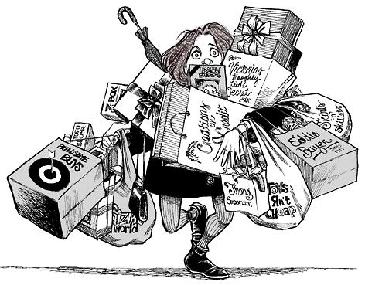
If the following statements describe you, you may be at risk of being a compulsive shopper.
 
 5 Quick Signs You're in Trouble
 
1. You get a"rush" from shopping. Buying gives you a "high" or a "pick me up" similar to downing a few alcoholic drinks.
 
2. You buy items you don't need. Your closets are full of unused possessions that still have the price tags attached.
 
3. You keep purchases secret. You lie about how much you've spent or what you've bought, and hide packages and receipts.
 
4. You buy with money earmarked for bills. Your debts are mounting, you're maxing out credit cards, and collectors are calling.
 
5. You feel guilty and ashamed. Your shopping habits are causing problems in your relationships and interfering with work, but you still can't manage to stop.
 

Google

Join Our Mailing List Today
You wonder why - BILLS ARE STRESSING YOU OUT?
Counter
 
Subscribe to stopbigspending
Powered by health.groups.yahoo.com


eLibrary - eBooks Search Engine 7000+ eBooks titles from eLibrary to buy, 1000+ eBooks and articles for free
Electronical Books in PDF.
 
The products and text on this website are for informational purposes only and not
intended to replace the assessment, advice or treatment of a physician or therapist.

Images found for this site found from the following sources:
Google Images, Animation Factory, exception personal image of Susan Young


Stop Big Spending -Copyright December 2006

Web Hosting powered by Network Solutions®